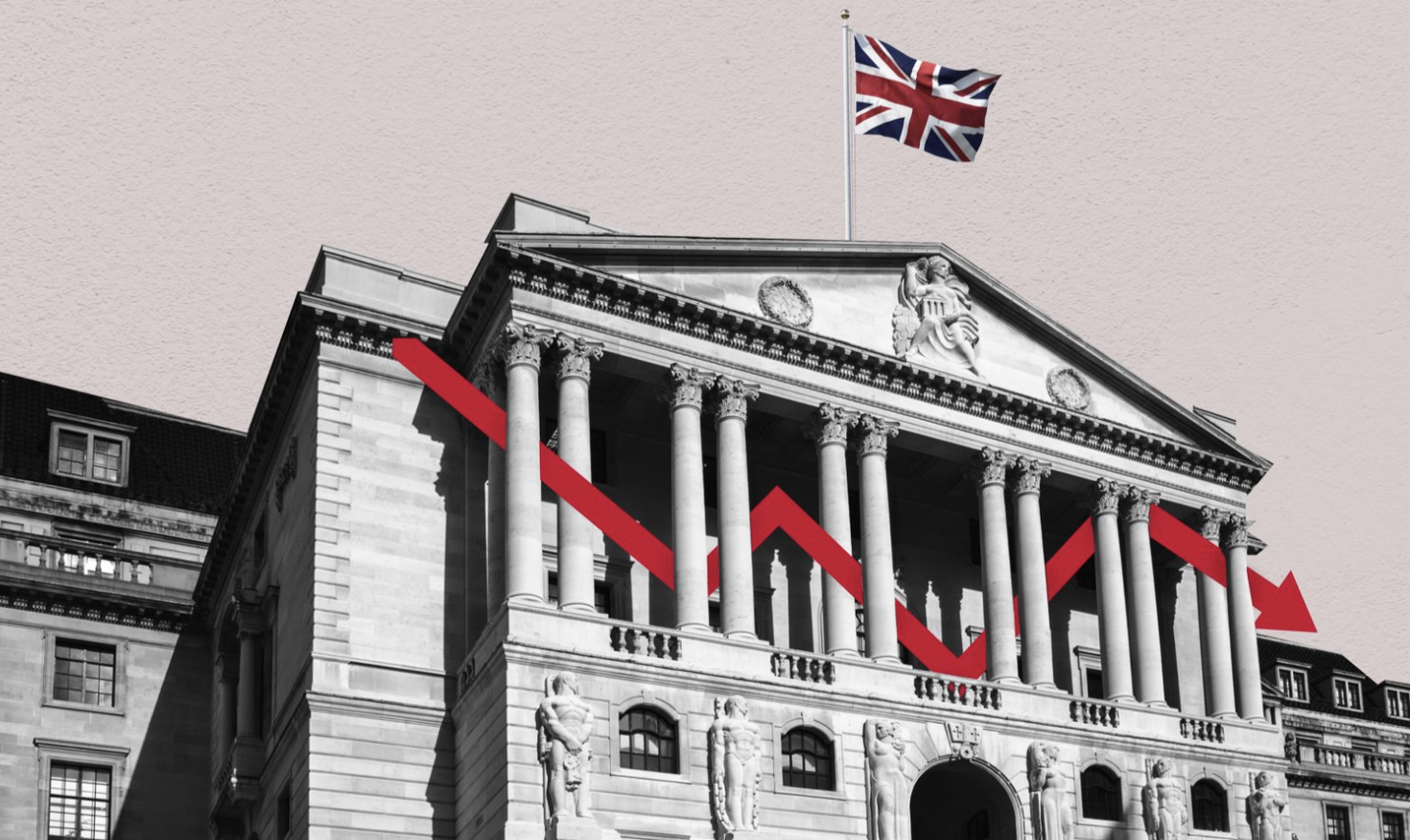
LONDON, Feb 6 — The Bank of England (BoE) has kept its benchmark interest rate unchanged at 3.75 per cent, the United Kingdom’s (UK) central bank said in a statement on Thursday.
Xinhua reported that at its meeting ending on Wednesday, the BoE’s Monetary Policy Committee (MPC) voted by a majority of five to four to maintain the rate. Four members voted to reduce the rate by 0.25 percentage points.
In mid-December 2025, the bank announced a 25-basis-point cut to its benchmark interest rate, bringing it down to 3.75 per cent, the lowest level since early 2023.
The move marked the sixth rate reduction since August 2024, when the Bank began easing monetary policy from a 16-year-high rate of 5.25 per cent.
“The Committee judged that the risk from greater inflation persistence had continued to become less pronounced, while some risks to inflation from weaker demand and a loosening labour market remained,” the BoE said in a statement.
The UK Consumer Price Index (CPI) rose by 3.4 per cent year on year in December 2025, accelerating from 3.2 per cent in November, according to earlier data from the National Statistics Office (ONS).
The country’s economy expanded marginally in late 2025 amid a subdued underlying momentum, with real gross domestic product (GDP) edging up 0.1 per cent in the September-November period. At the same time, the ONS noted that its unemployment rate for people aged 16 and over remained high at 5.1 per cent.
Bank rate was likely to be reduced further, although there were different views on the timing and extent, said the MPC, noting that “with uncertainty around how precisely a neutral level of bank rate could be estimated, slowing the pace of further easing could provide space to gain assurance about how the risks were evolving.”
“Holding the interest rate at 3.75 per cent was expected as the bank grapples with the twin challenges of domestic cost pressures and an unpredictable global outlook,” said the British Chambers of Commerce’s (BCC) research head David Bharier.
BCC’s data show that a majority of firms still expect to raise their prices, with labour costs cited as the top cost pressure.
“For businesses across the UK, greater policy certainty and a clear path to lower borrowing costs are essential to unlock investment, boost productivity, and transform trade,” he said.