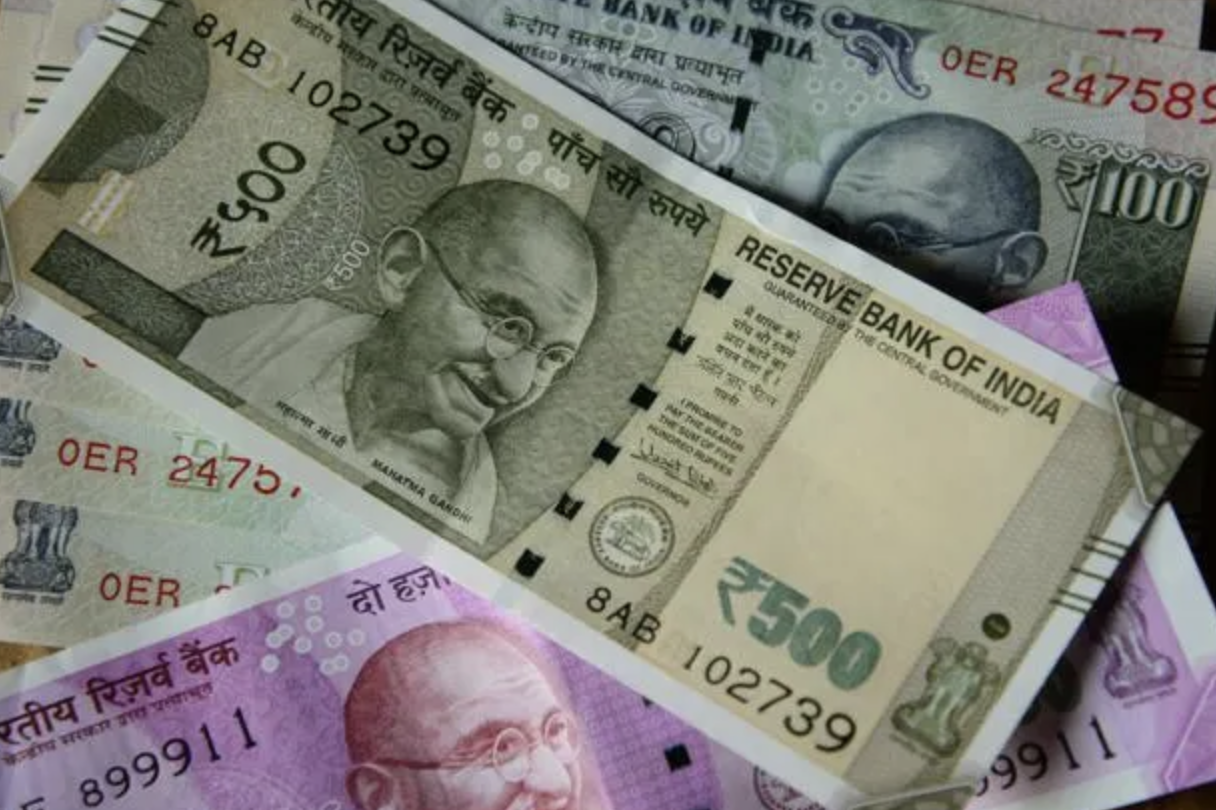
PUTRAJAYA, Feb 8 — Malaysia and India have agreed to expedite the use of the ringgit and rupee in bilateral trade and investment, said Prime Minister Datuk Seri Anwar Ibrahim.
Bank Negara Malaysia and the Reserve Bank of India will continue to work closely to promote local-currency settlement in the ringgit and rupee, aiming to facilitate more efficient and cost-effective transactions.
“Similarly, (the use of local currency) in the digital connectivity, energy and semiconductor,” he said during a joint press conference with his Indian counterpart Narendra Modi today.
Modi is on an official visit to Malaysia from February 7 until today at Anwar’s invitation, reciprocating his official visit to India in August 2024.
Anwar, who is also the Finance Minister, said that Malaysia-India bilateral trade is expected to extend beyond the US$18.59 billion (RM73.2 billion) achieved last year.
In the ASEAN context, Malaysia certainly benefits immensely if the region can secure more opportunities to collaborate with India.
He added that it is strategically critical to advance and enhance relations between India and Malaysia. The two countries, which had long-standing relations since 1957, elevated it to a comprehensive strategic partnership in 2024.
“The deep historical ties, strong people-to-people linkages and ever-expanding economic cooperation will continue to deepen collaboration in all fields, trade and investment, semiconductor, digital, economic, trade in local currency, connectivity, energy, agriculture, food security, defence, education, and security,” Anwar said.
Furthermore, both countries agreed to expedite review and optimise the Malaysia-India Comprehensive Economic Cooperation Agreement (MICECA), strengthen cooperation in high-value sectors including semiconductors, digital trade, green technology, and advanced manufacturing.
“We also welcome the establishment of the Malaysia-India Digital Council (MIDC) and ongoing discussions on bilateral payment linkages between NPCI International Payments Ltd (NIPL) and PayNet Malaysia,” he said.
Meanwhile, Malaysia had also requested that India consider further expanding air traffic rights, including additional capacity and access to more secondary cities, to support growing demand for tourism, trade, and people-to-people exchanges.
Anwar also welcomed the progress by Petroliam Nasional Bhd (Petronas) and Gentari in India to strengthen semiconductor value-chain cooperation and talent development.
Malaysia’s exports amounted to RM52.3 billion (US$12.24 billion), and imports totalled RM27.19 billion (US$6.35 billion). Key export items included palm oil and palm oil-based agricultural products, as well as electrical and electronic products, while imports mainly consisted of agricultural, petroleum, and chemical products.