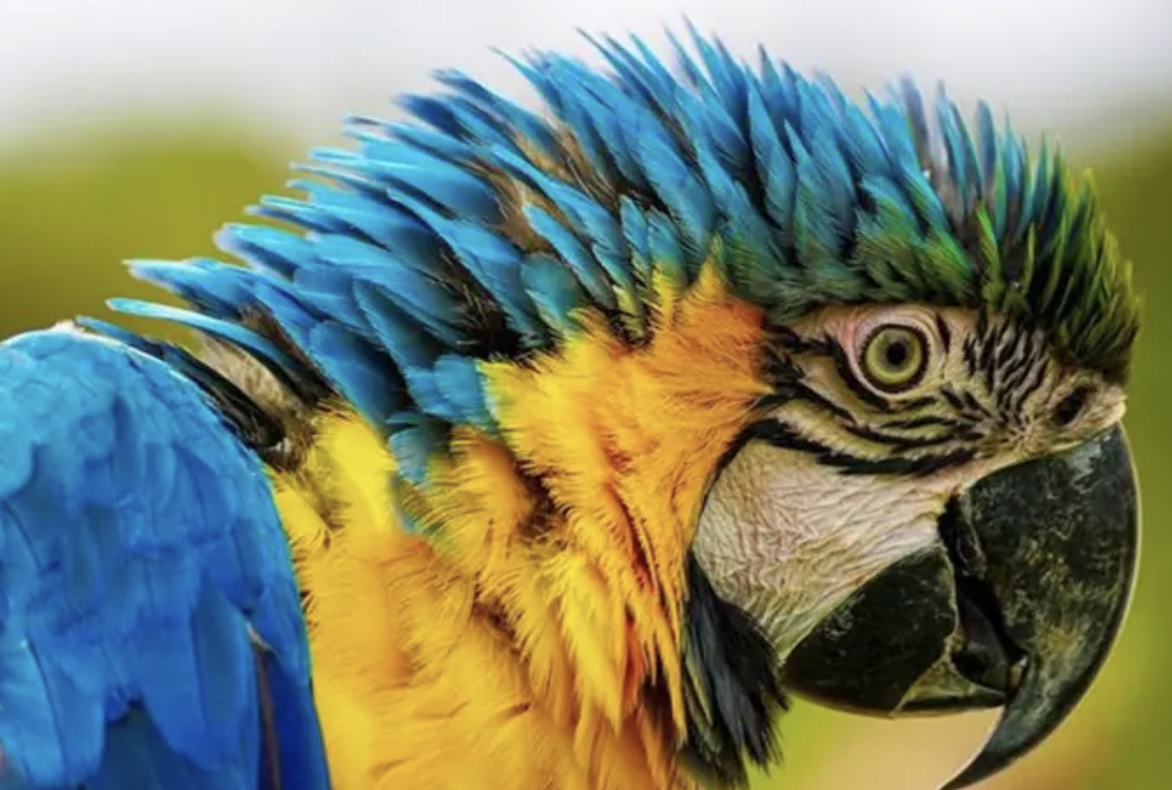
KUALA LUMPUR, Dec 8 — While exotic wildlife may appear tempting as pets, they are regarded as highly protected species under the law, for which ownership requires ministerial clearance, said animal rights lawyer Rajesh Nagarajan.
Speaking to Bernama recently, Rajesh said the approval from the Natural Resources and Environmental Sustainability Ministry (NRES) is mandatory, as such ownership requires a special permit under the Wildlife Conservation Act 2010 (Act 716).
The legal expert highlighted that under the said act, applicants must submit their request in the exact form and manner set by the Director-General of the Department of Wildlife and National Parks (Perhilitan) before any permit or licence can be issued.
“This process is not as simple as filling out a form. Applicants must provide detailed enclosure plans, veterinary care arrangements, land-use approvals, and other documents Perhilitan may require. When a totally protected species is involved, the scrutiny is far stricter.
“A special permit is needed, ministerial approval is compulsory, and private operators, if allowed to function at all, must comply with tight regulations, transparent sourcing, mandatory welfare safeguards and regular Perhilitan inspections,” he said.
Rajesh added that the Wildlife Conservation (Operation of Zoo) Regulations 2012 also apply to operators keeping wildlife in zoo-type settings, with rules governing enclosure dimensions, quarantine facilities, veterinary services, tagging and strict record management.
On enforcement, Rajesh stressed that the law grants broad powers to authorised officers, including the right to enter premises under Section 98 and, where necessary, to search for or seize animals under Sections 94 and 95.
“Unannounced inspections are common. Licences can be suspended or revoked, animals may be seized, and operators could face criminal charges for welfare violations or documentation lapses.
“Legally, Malaysia still permits private possession of wildlife through licensing, but this is a legacy approach rather than a confirmed policy endorsement,” he said.
He emphasised that although the law permits wildlife to be held in captivity under regulated conditions, it does not require private facilities to be part of Malaysia’s long-term conservation strategy — a matter that ultimately depends on political will and legislative reform.
Last month, the Terengganu Marine Police and Perhilitan seized 16 birds, believed to be blue-rumped parrots, which are a fully protected species, during an operation at Jalan Pantai Lorong Penunjuk Indah in Rumah Murah, Kijal.
A man later admitted that all the birds belonged to him, but he failed to produce any valid licence or special permit from Perhilitan.
Meanwhile, in a separate case in August, the Shah Alam Sessions Court fined a pet shop owner RM20,000 for keeping four Robinson’s anglehead lizards and two Doria’s anglehead lizards without valid licences.