WASHINGTON, Jan 13 – Finance ministers from the Group of Seven countries agreed Monday to hastily reduce their countries’ overreliance on China for critical minerals.
Following a meeting in Washington, also attended by representatives from several non-G7 countries, such as Australia, India and South Korea, Japanese Finance Minister Satsuki Katayama disclosed the agreement.
The U.S. Treasury said the participants “expressed a strong, shared desire to quickly address key vulnerabilities in critical minerals supply chains” throughout the course of discussions.
The meeting, hosted by U.S. Treasury Secretary Scott Bessent, took place as China has increasingly used its dominance in the processing of rare earth minerals to exert diplomatic and economic leverage.
Katayama also told reporters that she had explained Japan’s position on the Chinese export controls to her counterparts and imparted to them the country’s hard-won lessons from dealing with China’s 2010 export ban on rare earths.
Beijing has been taking aim at Tokyo since Japanese Prime Minister Sanae Takaichi’s remarks in parliament in November suggesting an attack on Taiwan could trigger a response by Japan’s defense forces.
China last week tightened controls on exports to Japan of dual-use items that have both civilian and military applications, with rare earths possibly included.
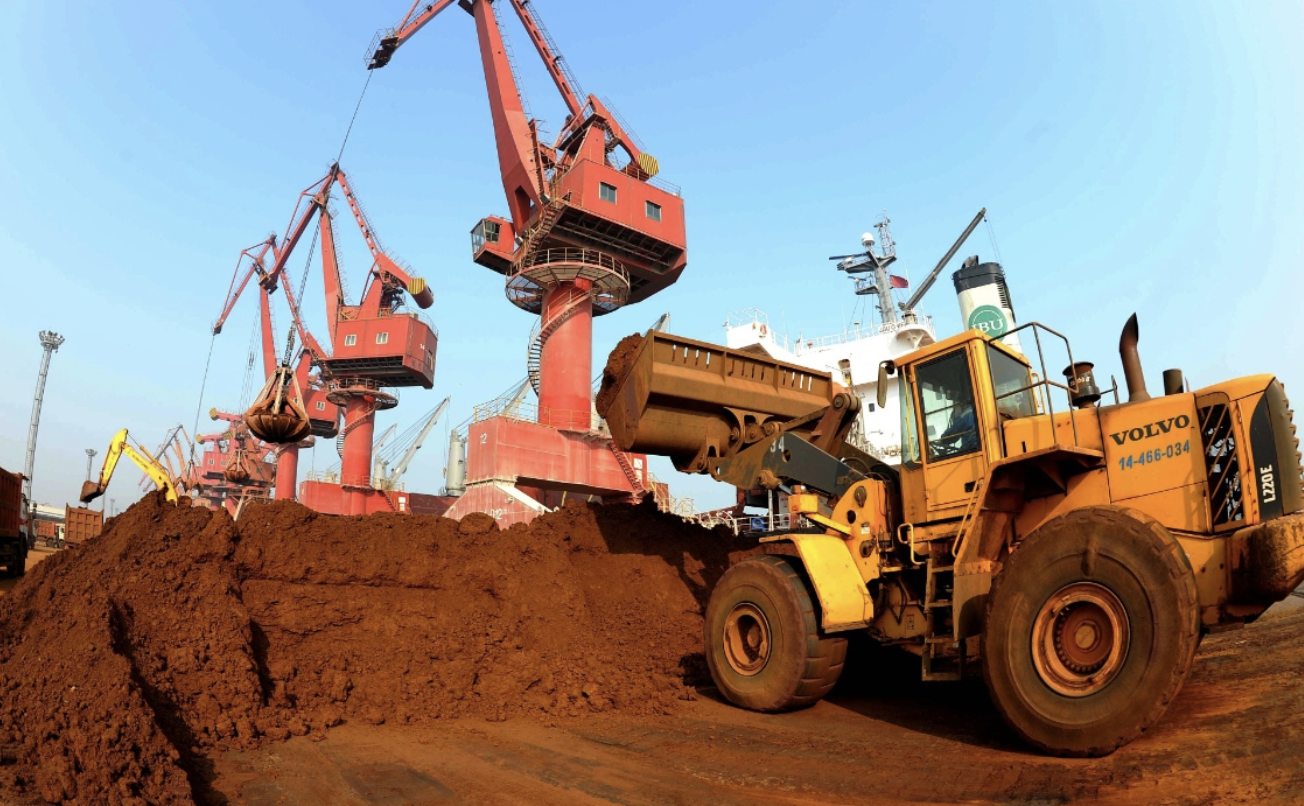
China mines around 70 percent of the world’s rare earths, which are vital to the manufacturing of high-tech and defense products, and refines about 90 percent of the raw materials.
Last year, China also restricted exports of rare earths to the United States, in an apparent attempt to gain an edge in trade negotiations with the administration of President Donald Trump.
However, Trump’s meeting with Chinese President Xi Jinping in South Korea in late October led them to dial back some of their trade measures, including Beijing agreeing to suspend its expansion of export controls on rare earths for one year.
As part of joint efforts to mitigate economic security threats, the plan outlines areas of cooperation, including monitoring for critical minerals shortages and coordinating responses to intentional market disruption.
Under the initiative, the G7 and its partners are working together to diversify and onshore mining, processing, manufacturing and recycling of critical minerals.