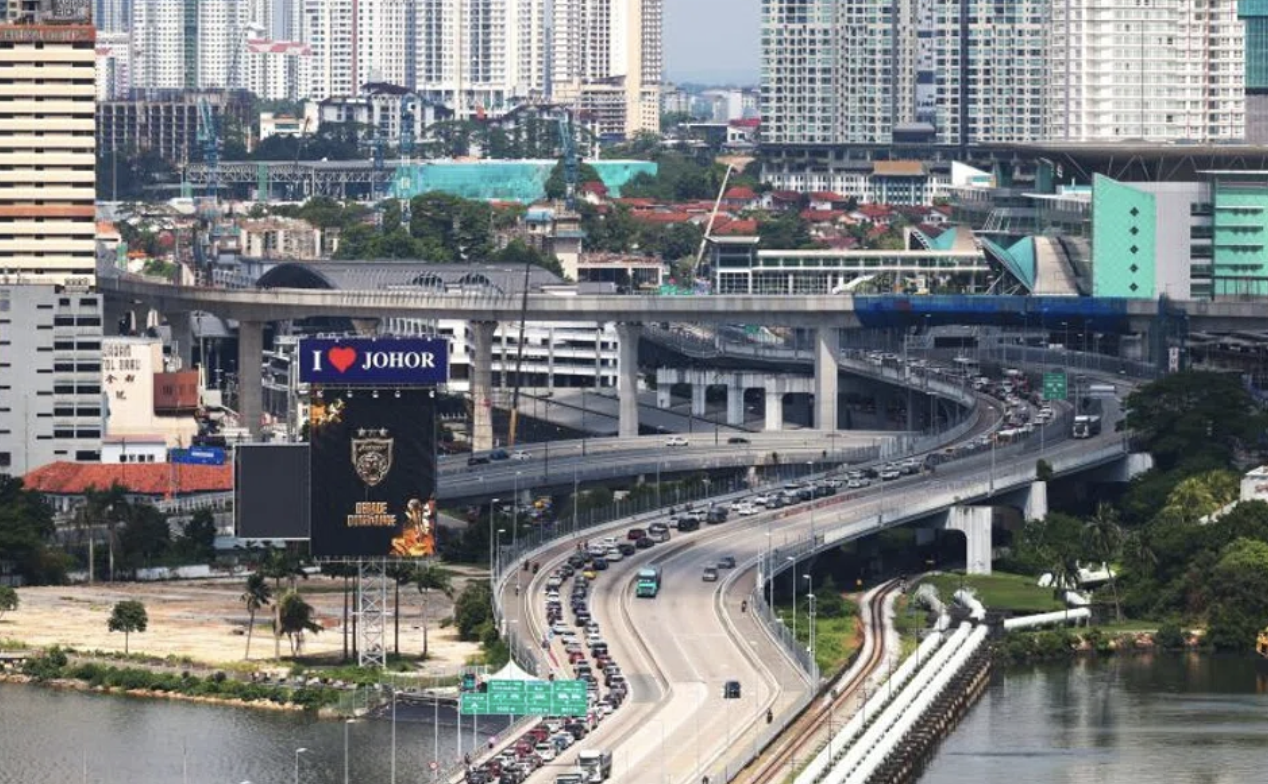
KUALA LUMPUR, Jan 22 – The Johor-Singapore Special Economic Zone is on track to land a “queen bee” investor that could reshape Malaysia’s digital economy and turn Johor into the country’s third semiconductor hub, according to Invest Johor chief executive Natazha Harris.
He told The Business Times that the multinational advanced manufacturing firm has already picked out a site in Iskandar Puteri, with approvals and permitting now in progress.
While declining to name the investor, Natazha said the foreign manufacturing giant has the potential to anchor a wider semiconductor ecosystem. “This (investment) will position Johor alongside the long-established semiconductor hubs like Penang and Selangor,” he added.
Invest Johor is the Johor state government’s dedicated investment promotion agency, focusing on marketing the state, attracting investors, and providing strategic insights.
“This is not about competing with Penang or Selangor… It’s about complementing existing hubs – especially where companies need space to scale,” he added.
The push comes as Johor approaches a milestone year for investments. Approved investments reached RM91.1 billion (S$28.9 billion) by the third quarter of 2025, based on figures from federal agencies, with the full-year total on track to exceed RM100 billion.
“A significant portion of that pipeline sits within the JS-SEZ, spanning advanced manufacturing, digital infrastructure and logistics,” he said.
From confidence-building to delivery
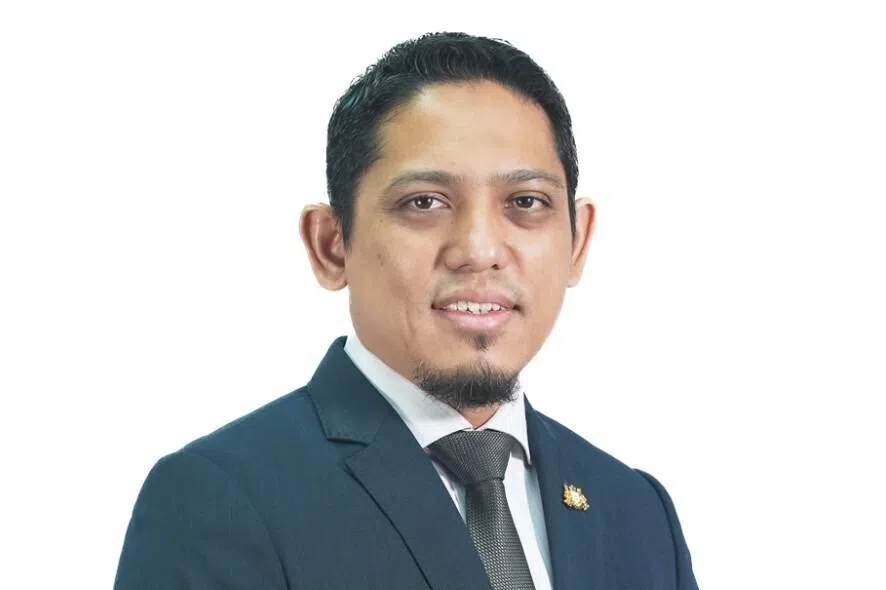
But the investment also represents a stress test. After years of planning and promotion, Johor is now entering the phase where credibility will be judged less by announcements than by execution.
“Approval is only the first stage… The real test is whether those approvals become physical projects, such as factories, ports and infrastructure, and to be delivered on time,” said Natazha.
Despite some skepticism regarding the JS-SEZ’s progress since the 2024’s memorandum of understanding, Natazha said that the momentum has not slowed.
He explained that following federal approval, companies must navigate a rigorous process involving local authority submissions for site layouts, utilities, environmental compliance, and workforce requirements.
Hence, significant tangible progress is expected to emerge throughout 2026 and 2027, with development likely to accelerate as the Rapid Transit System Link nears completion.
Why Johor?
Malaysia’s semiconductor ecosystem has long been anchored by Penang, with its decades-old supplier networks, and Selangor, which benefits from proximity to Kuala Lumpur and matured infrastructure development.
Johor’s appeal is different, said Natazha, noting that land availability is one advantage, particularly in states which are facing land scarcity problems, such as Penang island.
“Proximity to Singapore is another, this allows companies to separate land-intensive manufacturing from headquarters, financing and R&D (research and development) functions across the Causeway,” he added.
Natazha said several firms operating in Penang are already exploring Johor as an expansion base, not as a replacement, but as a pressure valve.
“We understand we are still at a nascent stage (in terms of semiconductor development)… But Johor is catching up, and the SEZ allows us to move faster,” he added.
China interest adds momentum
Johor’s semiconductor ambitions are unfolding alongside rising interest from China, particularly among manufacturers seeking capacity expansion and regional diversification.
Following a recent investment promotion trip to China, Natazha revealed that they have received strong enquiries across advanced manufacturing, electronics and logistics.
Natazha was among the state officials who traveled to Beijing in December last year as part of a joint initiative by OCBC and the Bank of Ningbo. Partnering the Johor state government, Mida, Invest Johor, and Irda, the mission focused on promoting the JS-SEZ to Chinese investors.
He said some firms already have a presence in Johor and are now looking to scale; others are weighing Johor against alternative locations within Malaysia.
“The depth of engagement was encouraging. Not all decisions are final, but the interest gives us confidence that more investments will come through in 2026,” he added, noting that with Chinese interest, it could accelerate the state’s ecosystem formation.
The macro blueprint for SEZ
Much of Johor’s execution push will hinge on the JS-SEZ Blueprint, which is targeted to be unveiled in the first quarter of this year, according to Economy Minister Akmal Nasrullah Mohd Nasir.
Natazha added that the blueprint will further clarify information on zoning, incentives, governance structures and operating frameworks as well as addressing issues investors say are critical for long-term planning.
Alongside this, the state is working with federal agencies to adopt a more coordinated, whole-of-government approach to approvals and facilitation, aimed at shortening timelines and reducing uncertainty.
“This is about speed, certainty and coordination. That’s what investors care about once they’ve made the decision to commit,” said Natazha.
Maharani Freeport
Beyond the southern momentum of the JS-SEZ, northern Johor is witnessing a transformative shift with the Maharani Freeport development in Muar.
Launched in November 2025, this privately developed deepwater port stands as Malaysia’s first duty-free energy hub, projected to attract RM144 billion in investment and generate 45,000 jobs.
Natazha said land reclamation for the initial 500-acre phase is under way and expected to be completed within two years.
Located along the Strait of Malacca, the port is designed to anchor energy trading, logistics and maintenance, repair and overhaul services, with investment expected from global and regional players.
The project’s significance is further underscored by its ownership structure, with Sultan Ibrahim, ruler of Johor and the current king of Malaysia, holding a 40 per cent stake in the developer, Maharani Energy Gateway.
To attract international players, the freeport offers a robust incentive framework featuring full duty exemptions, 100 per cent foreign ownership, and competitive corporate tax rates for maritime activities.
The ETS catalyst
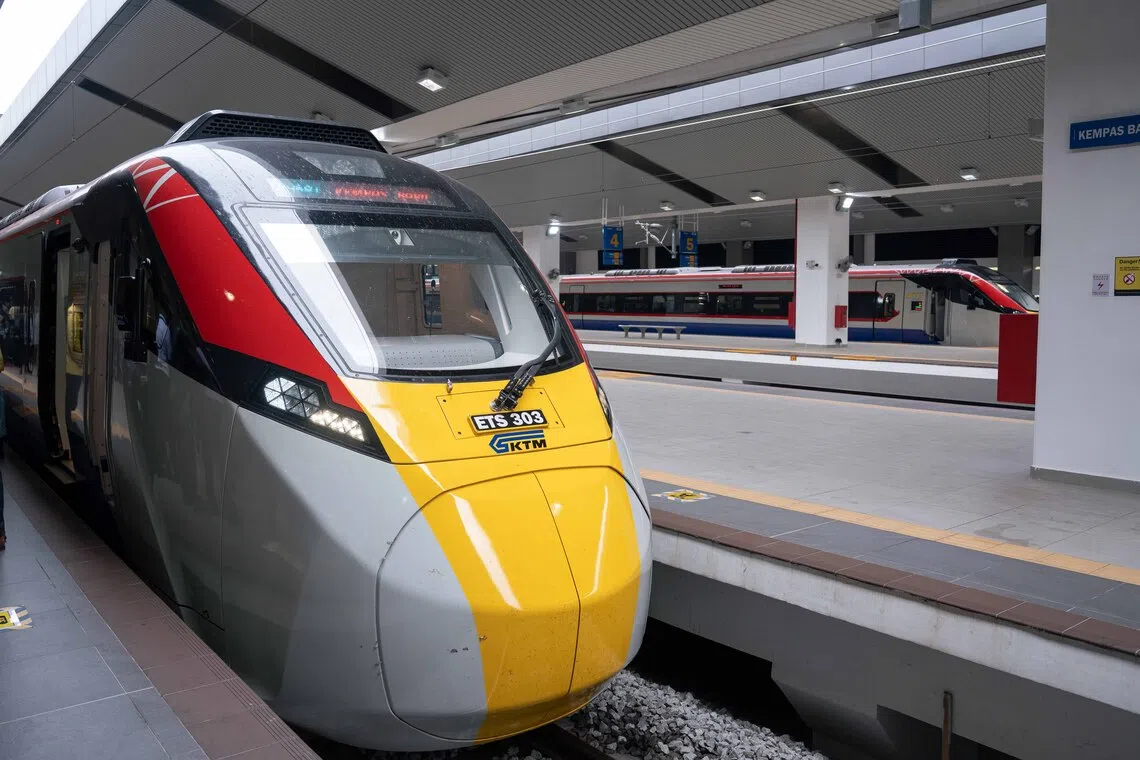
The launch of the Kuala Lumpur-Johor Bahru Electric Train Service (ETS) is emerging as a catalyst for Johor’s secondary cities, reshaping travel patterns and opening new growth opportunities beyond the state’s southern core, said Natazha.
He observed that the rail link is already bringing towns such as Kluang and Segamat effectively closer to major economic centres by reducing travel time and improving convenience.
“We are observing increased commercial interest and higher footfall around stations, and renewed confidence among local businesses,” he said, noting that the benefits are particularly visible among small and medium-sized enterprises.
The ETS is laying the foundation for transit-oriented growth, where connectivity enables secondary towns to evolve into productivity hubs, lifestyle centres and talent magnets rather than concentrating economic activity solely in Johor Bahru, he added.
“While the impact is still at an early stage, we are optimistic to see the improved rail access catalysing domestic tourism, encouraging stopovers in towns along the route and creating spillovers for retail, food and hospitality businesses,” said Natazha. – The Business Times