SAN DIEGO, April 11 – Four astronauts returned safely to Earth on Friday after completing a 10-day mission around the moon, the US National Aeronautics and Space Administration (NASA) said.
The capsule Orion touched down at about 17:07 local time (0007 GMT Saturday) in the Pacific Ocean, some 96 kilometers off the San Diego coast, the US state of California, according to NASA. It was the first crewed lunar mission since Apollo 17 in 1972.
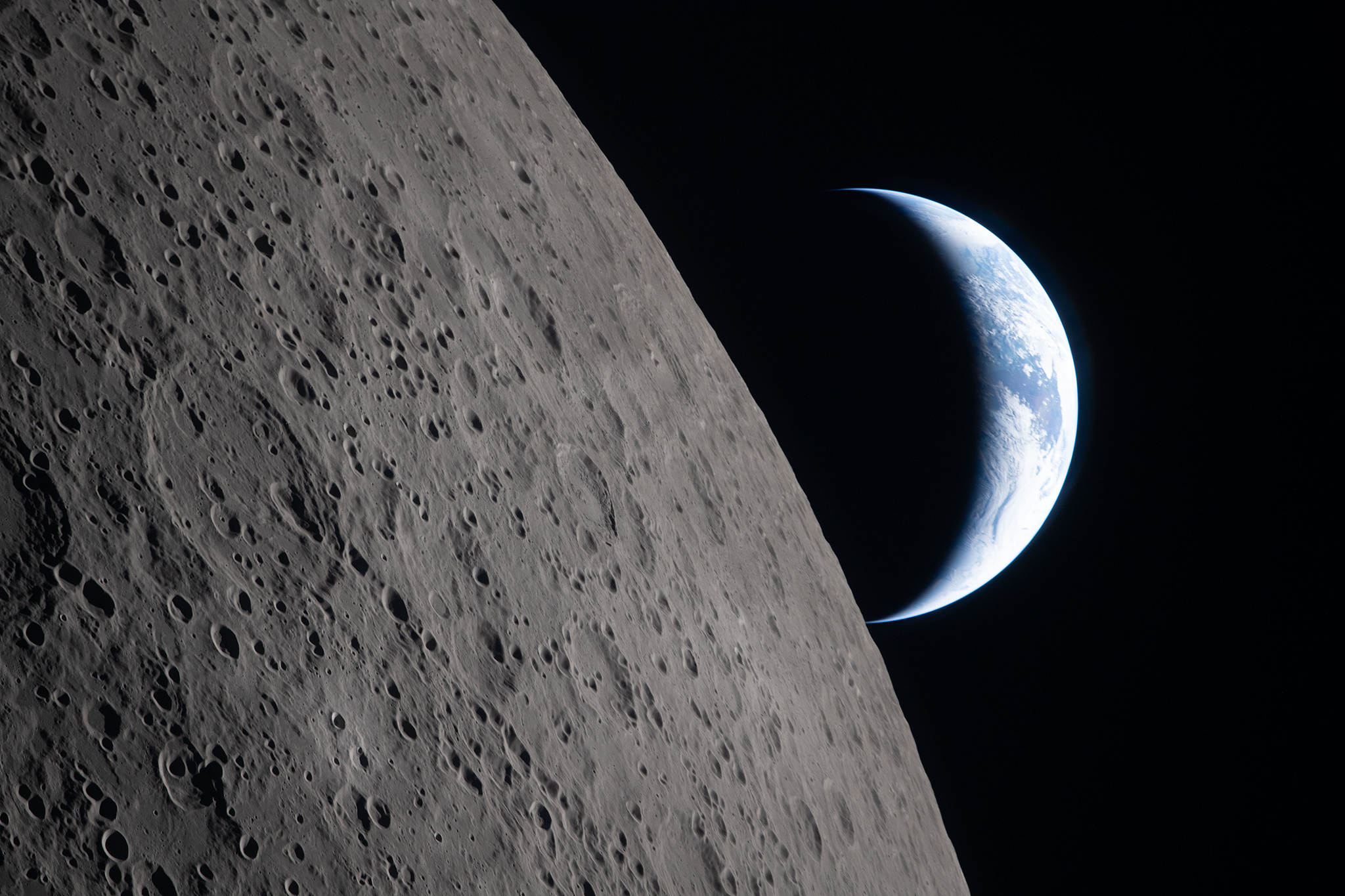
After splashing down, Artemis II Commander Reid Wiseman said that all four crew members are in good condition. The other three crew members are NASA astronauts Victor Glover and Christina Koch and Canadian Space Agency astronaut Jeremy Hansen.
The quartet blasted off from the Kennedy Space Center in Florida on April 1. In so doing, they became the first astronauts to fly in the vicinity of Earth’s only natural satellite since the Apollo program of the 1960s and 1970s. Glover, Koch and Hansen also made history as the first Black astronaut, the first woman and first non-US citizen, respectively, to take part in a lunar mission.
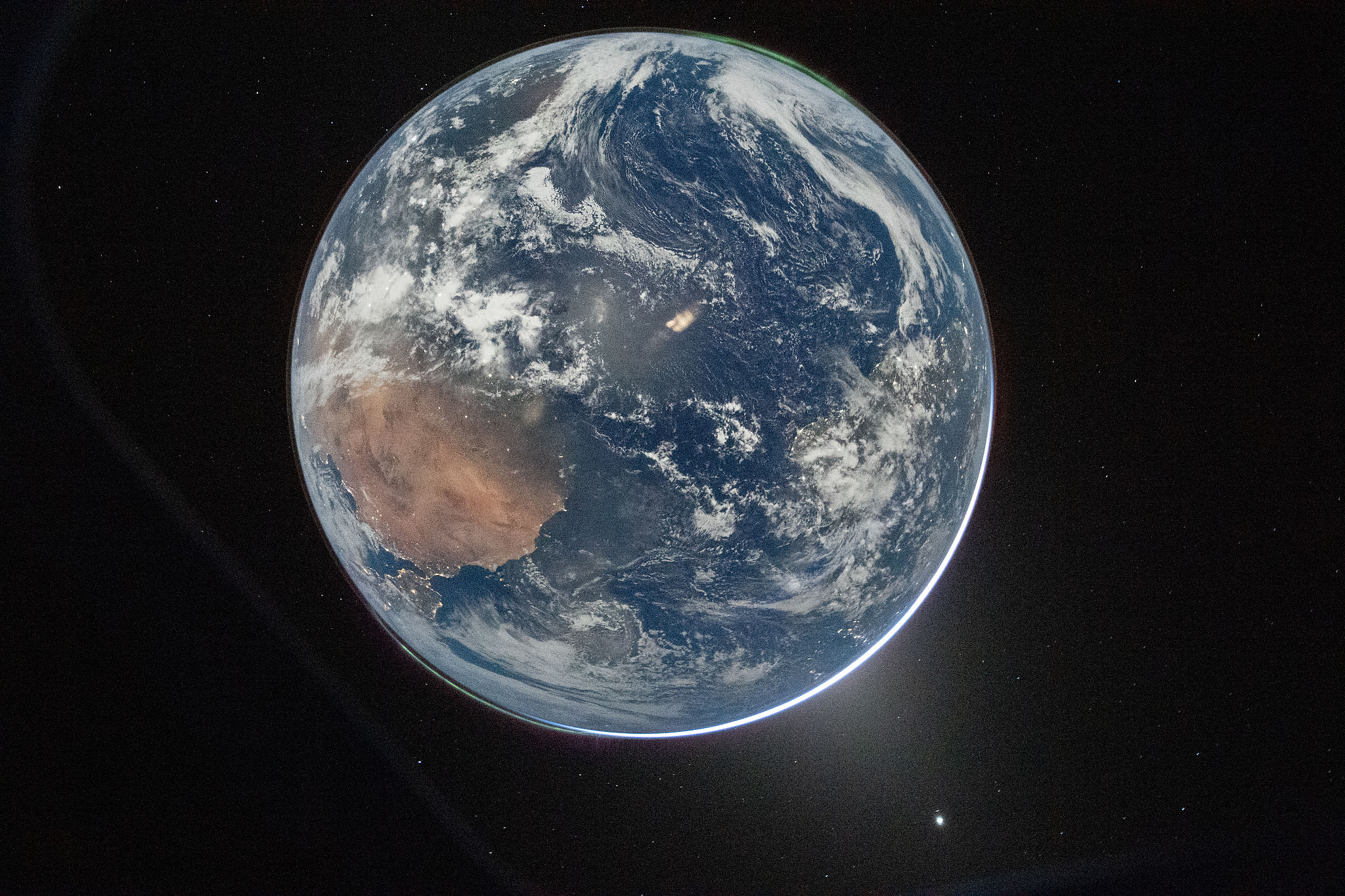
NASA said the crew traveled a total of about 1.12 million kilometers over the course of the mission. Weather and sea conditions at the recovery site were favorable, with winds and wave heights within NASA’s required safety limits.
The capsule re-entered Earth’s atmosphere using a modified flight path designed to reduce peak heating loads on the heat shield. NASA developed the adjusted profile following issues identified during the Artemis I uncrewed test flight in 2022.
A US Navy recovery team aboard the USS John P. Murtha was positioned to recover the crew following the splashdown.
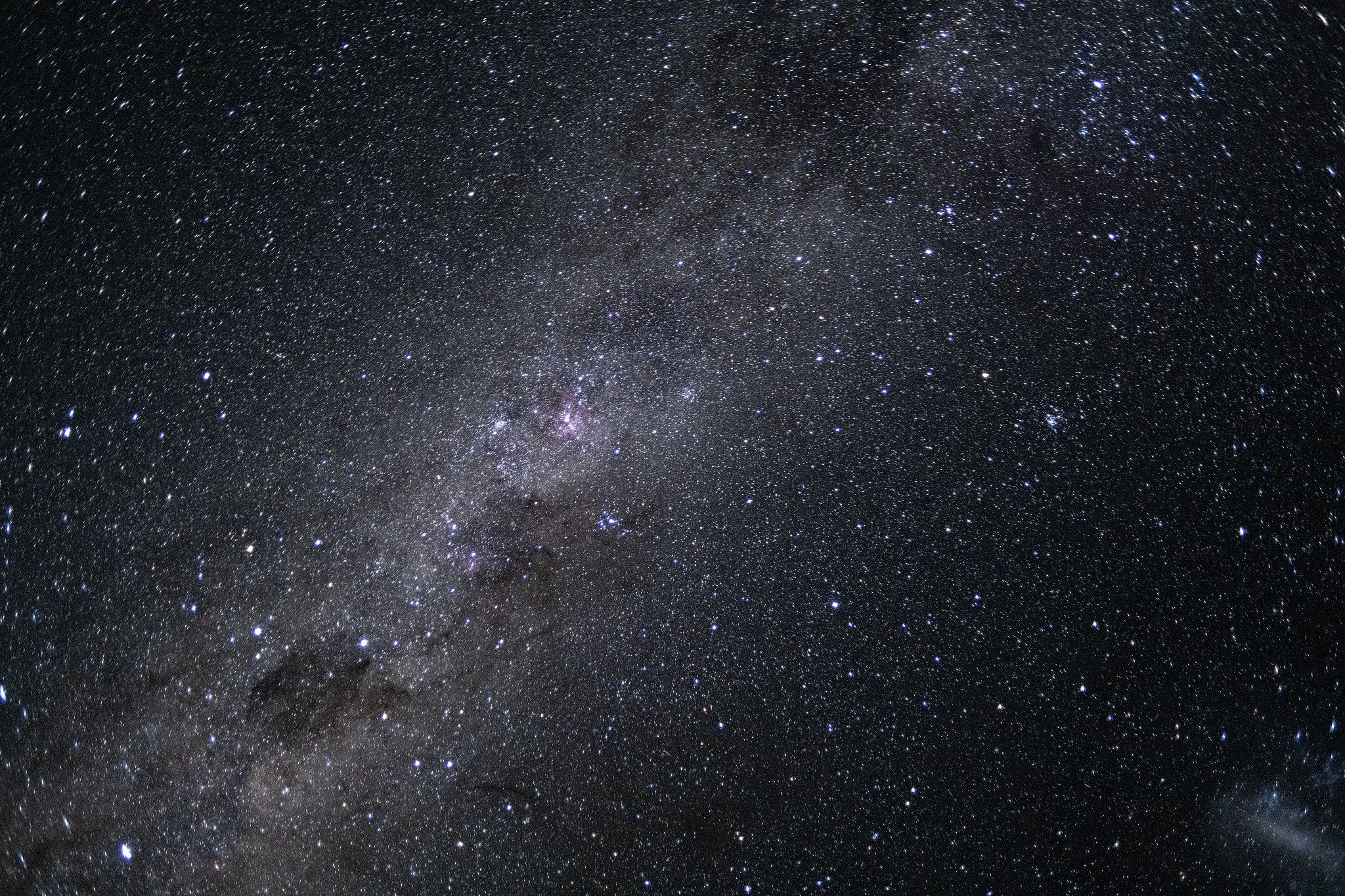
“We are back in the business of sending astronauts to the moon, bringing them back safely,” NASA Administrator Jared Isaacman said following the splashdown.
The voyage, following the uncrewed Artemis I test flight around the moon by the Orion spacecraft in 2022, marked a critical dress rehearsal for a planned attempt later this decade to land astronauts on the lunar surface for the first time since Apollo 17 in late 1972.
NASA said the crew set a new record for the farthest distance any humans have ever traveled from Earth during the mission, depicting Artemis II as a key step toward future crewed lunar landings under the Artemis program, which aims to land astronauts on the lunar surface in 2028, with the long-term goal of building a base on the moon.