GENEVA, Dec 5 — The number of malaria cases rose last year to 282 million globally, up by nine million from 2023, with the increase attributed primarily to outbreaks in Ethiopia, Madagascar, and Yemen.
The German Press Agency reported the World Health Organisation (WHO) as saying that an estimated 610,000 people have died from the disease in 2024.
Ethiopia saw increased resistance to anti-malarial medications, while flooding and climate change were blamed for the situation in Madagascar. In Yemen, the ongoing conflict hit the health system.
The United Nations agency added that measures to prevent the disease from spreading, including mosquito nets, insecticides, and prophylactic medications, have prevented an additional 2.3 million infections and 14 million deaths.
Nevertheless, resistant pathogens are spreading mainly in Africa, the continent worst hit by the disease.
The WHO noted that drastic cuts in aid funding from the United States and other countries were negatively impacting the affected countries.
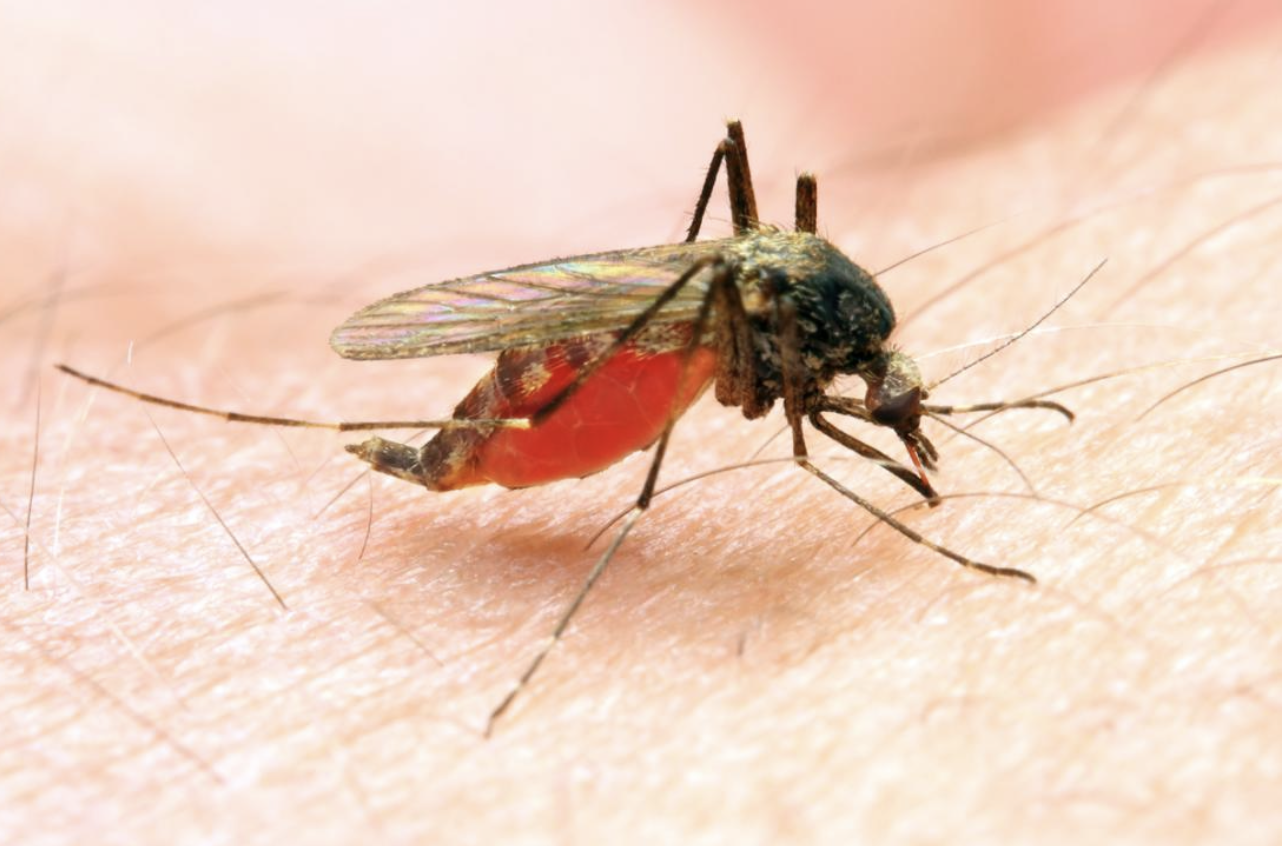
The malaria pathogen is a parasite spread by mosquitoes that causes fever and joint pain but can be treated. It is widespread in tropical and subtropical regions, with its range increasing due to climate change.