SINGAPORE, Sept 6 — Singapore has completed its Woodlands North station for the Johor Bahru-Singapore Rapid Transit System Link, four months before the cross-border railway is due to open in January 2027.
The Land Transport Authority (LTA) revealed the completed station in a Facebook post on September 4, as preparations continue for the long-awaited link between northern Singapore and Johor Bahru.
Once operational, the 4km shuttle between Woodlands North and Bukit Chagar in Johor Bahru is expected to take about five minutes.
Passengers travelling on the RTS Link will be able to clear both Singapore and Malaysian immigration before boarding, meaning they will not need to undergo immigration clearance again after crossing the border.
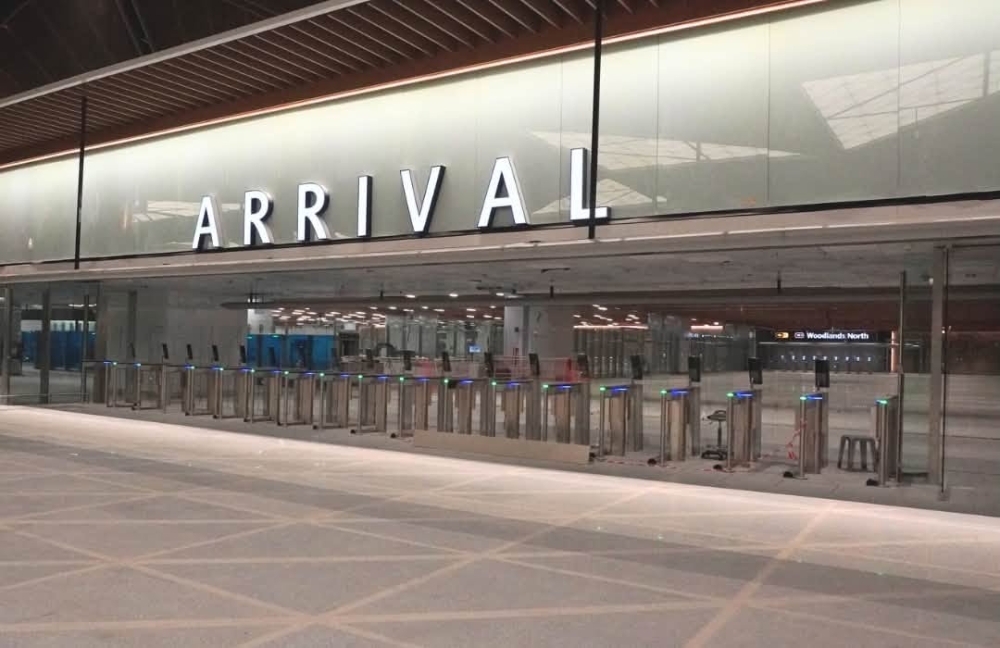
Singapore’s immigration facilities are located on basement one of Woodlands North station, while Malaysia’s customs, immigration and quarantine facilities are on basement two.
The station is connected directly to the existing Thomson-East Coast Line, with passengers able to transfer between the two services through a concourse on basement one.
According to LTA’s Facebook post, construction of the station presented significant engineering challenges because of the large amount of hard rock beneath the site.
More than 600 controlled rock-blasting operations were carried out in smaller quantities, timed around train movements on the operational Thomson-East Coast Line. High-capacity drilling machines were also used during the works.
LTA said the station’s design draws on Woodlands’ natural surroundings, with colours and architectural elements inspired by trees.
The cross-border viaduct also includes a design feature at the international boundary depicting clasped hands, intended to symbolise the close relationship between Singapore and Malaysia.
The RTS trains will have a maximum speed of 80km/h and the system is designed to carry up to 10,000 passengers an hour in each direction.
The project is expected to significantly increase public transport capacity between Singapore and Johor Bahru and ease pressure on the heavily used road crossings between the two cities.