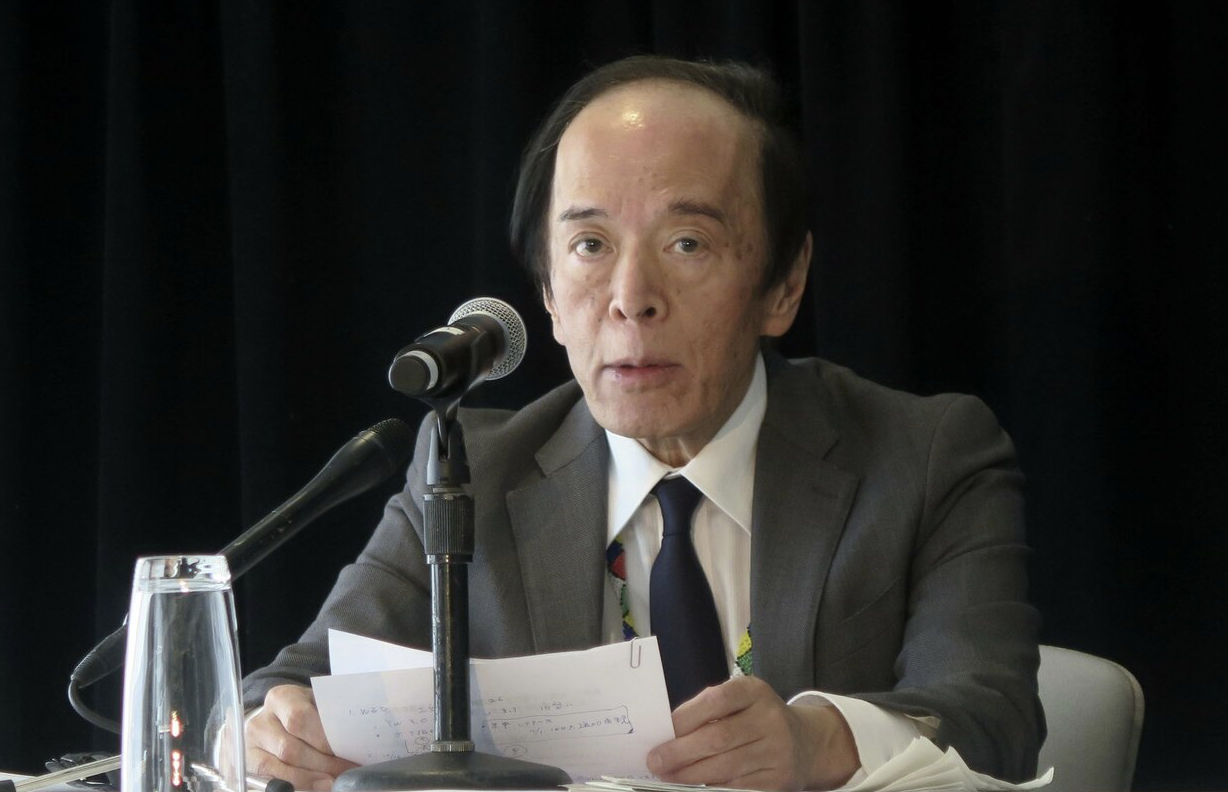
WASHINGTON, Oct 17 – Bank of Japan Governor Kazuo Ueda said Thursday that the impact of U.S. tariffs on the global economy is taking longer to appear than previously anticipated but will likely emerge down the road.
Speaking at a press conference in Washington, Ueda warned that policymakers must still factor in the effects of the protectionist measures when assessing the economic outlook and downside risks.
After attending the meetings of the Group of Seven and Group of 20 major economies, Ueda said one reason the global and U.S. economies have shown greater resilience than predicted around March and April is that the impact of tariffs has been “somewhat delayed.”
“However, it may emerge going forward,” he said.
Asked about the possibility of the Japanese central bank raising a key interest rate at its policy meeting at the end of this month, the governor said he wants to continue collecting and scrutinizing a range of data until the last minute.
The G20 finance chiefs acknowledged the importance of multilateral cooperation in dealing with the downside risks to global growth, the chair’s summary released Thursday said.
Following two days of discussions, the summary released by South Africa, this year’s chair of the group, said they agreed that the world economy’s performance in the first half of 2025 was stronger than expected, despite significant uncertainty due to factors such as geopolitical and trade tensions.
Without referring to U.S. President Donald Trump’s aggressive tariff policies, it said the group’s finance ministers and central bank governors further recognized that the World Trade Organization and its existing rules are crucial.
“Members emphasized the importance of strengthening multilateral coordination to address existing and emerging risks to the global economy,” it said.
The meeting of the group, which includes China, Germany, India, Indonesia, Japan and the United States among other major economies, took place on the sidelines of this year’s autumn meetings of the International Monetary Fund and the World Bank.